The Synchronization of Regulatory Compliance Tools with Loyalty Reward Mechanisms Across Multi-Platform Gaming Operators
Ben Roth · Oct 1, 2026
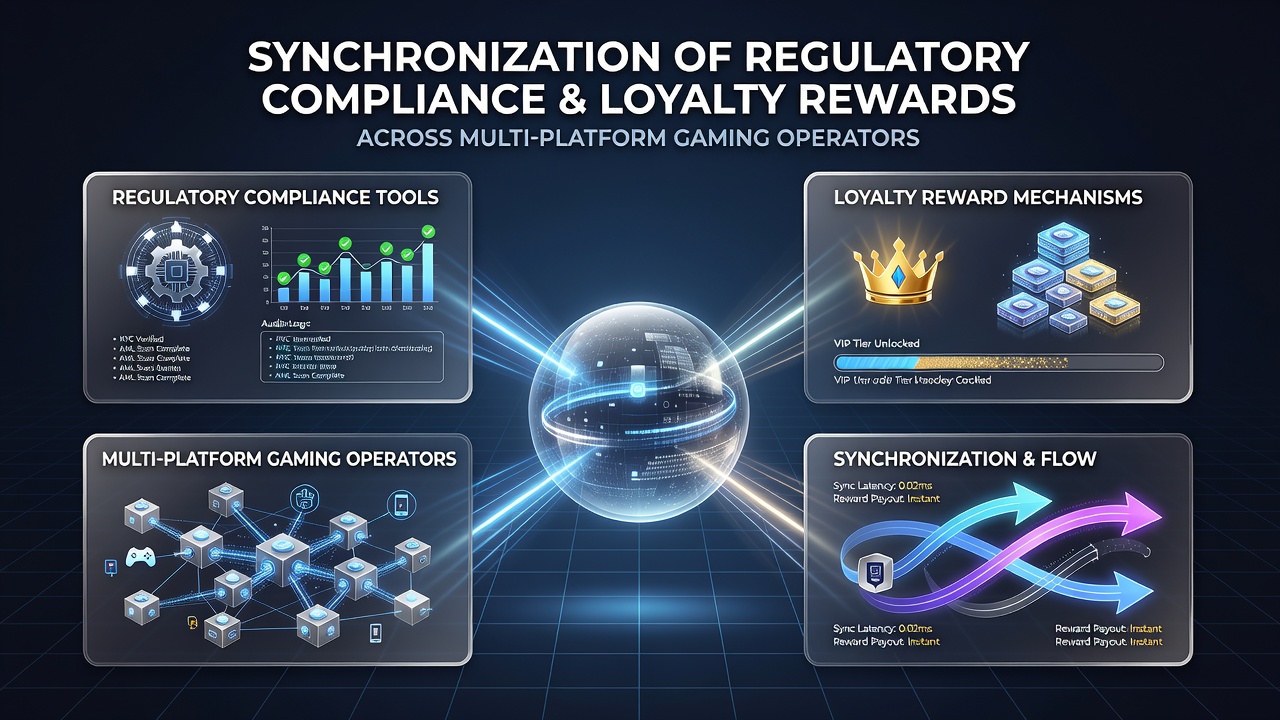
The Synchronization of Regulatory Compliance Tools with Loyalty Reward Mechanisms Across Multi-Platform Gaming Operators
Regulatory compliance tools and loyalty reward mechanisms operate side by side in multi-platform gaming operations, where operators manage online casinos, mobile apps, and desktop platforms under unified systems. Compliance frameworks track player eligibility, monitor transaction patterns, and enforce self-exclusion lists, while loyalty programs award points, bonuses, and tiered benefits based on activity levels. The synchronization of these elements requires real-time data exchange so that reward eligibility checks align with regulatory requirements at every step.
Core Components of Compliance Integration
Compliance systems include identity verification modules, transaction monitoring software, and automated exclusion protocols that update across platforms within seconds of any change. When a player registers or logs in, these tools cross-reference data against government databases and internal risk profiles before any loyalty points accumulate. Operators connect these functions through application programming interfaces that pull compliance status directly into reward calculation engines, preventing points from being awarded to ineligible accounts.
Multi-platform environments introduce additional layers because a single player account often spans several devices and jurisdictions. Data from a mobile session must sync instantly with desktop records so that loyalty tiers reflect activity only from verified and compliant play. Research from the Nevada Gaming Control Board shows that integrated systems reduce discrepancies in player status by up to 40 percent compared with siloed tools.
Loyalty Mechanisms and Their Data Requirements
Loyalty programs calculate rewards using metrics such as wager volume, session length, and deposit frequency, yet each metric passes through compliance filters first. Points systems assign values only after confirming that the underlying activity meets age, location, and exclusion criteria. Tier upgrades, bonus multipliers, and redemption options trigger secondary checks that query compliance databases before finalizing any benefit.
Operators maintain centralized player profiles that feed both loyalty engines and regulatory reporting modules. When a player reaches a new tier, the system automatically verifies ongoing eligibility rather than relying on periodic batch reviews. This continuous validation keeps reward structures aligned with changing regulatory conditions across different regions.
Technical Synchronization Processes
Application programming interfaces serve as the primary bridge between compliance databases and loyalty platforms. These interfaces transmit encrypted player status updates in real time, allowing reward calculations to incorporate fresh compliance data without manual intervention. Middleware solutions aggregate inputs from multiple gaming platforms into a single compliance dashboard that loyalty algorithms reference during point allocation.
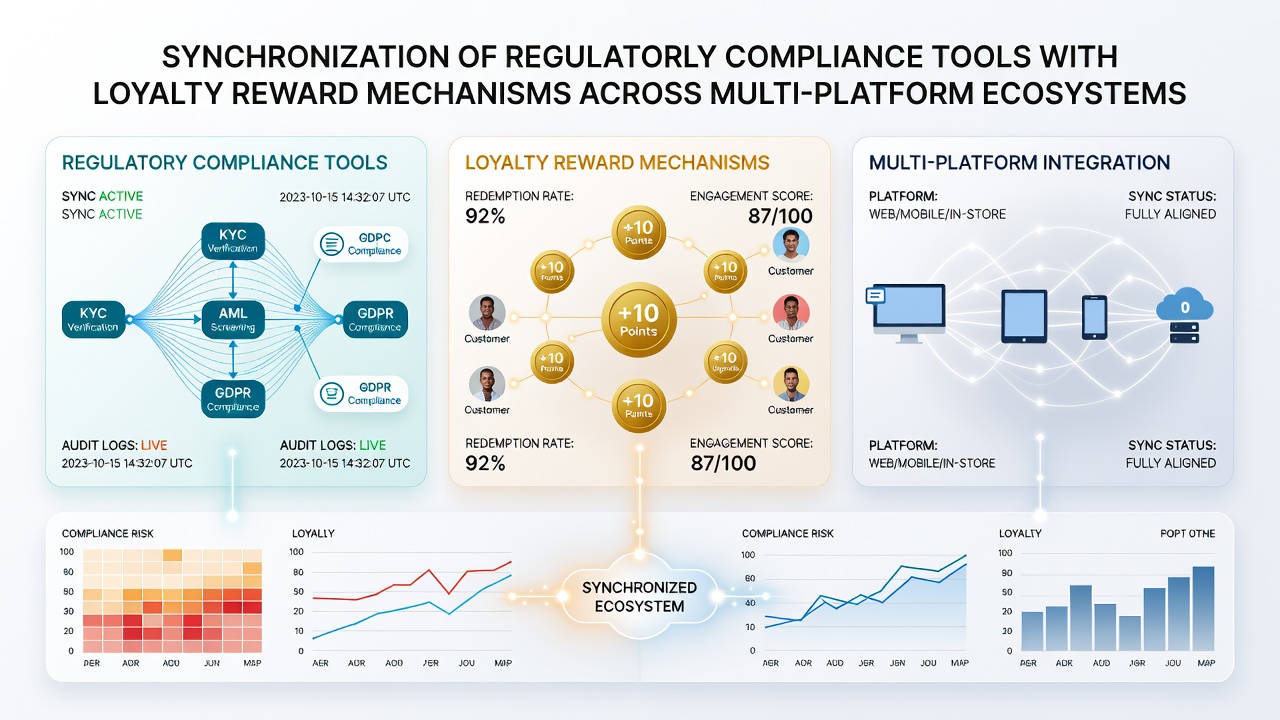
Event-driven architectures push notifications whenever compliance status changes, such as a new self-exclusion request or updated identity verification. Loyalty systems receive these alerts within milliseconds and adjust pending rewards accordingly. Database replication across cloud environments ensures that operators running platforms in separate geographic zones maintain consistent records, reducing the risk of conflicting reward decisions.
Regulatory Developments and Implementation Timelines
Regulatory bodies in multiple jurisdictions have issued guidelines that encourage or require tighter integration between compliance and commercial systems. In October 2026 several North American and European regulators plan to introduce updated reporting standards that mandate real-time synchronization logs for any loyalty benefit tied to player activity. These standards aim to create auditable trails that demonstrate how compliance checks influenced reward distribution.
Industry associations such as the European Gaming and Betting Association have published frameworks outlining minimum technical specifications for data exchange between these two functional areas. Operators adopting these specifications report smoother audit processes because compliance evidence appears directly within loyalty transaction histories.
Operational Challenges and Observed Solutions
Data latency remains a persistent issue when platforms operate under different regulatory regimes, each with its own update frequencies. Some operators address this by deploying edge computing nodes that perform local compliance checks before forwarding results to central loyalty servers. Others use blockchain-based ledgers to create immutable records of both compliance events and reward grants, allowing cross-platform verification without repeated database queries.
Staff training programs focus on understanding how compliance flags affect loyalty outcomes so that customer support teams can explain reward adjustments accurately. Automated reconciliation reports generated nightly compare loyalty point ledgers against compliance logs, flagging any mismatches for immediate review by compliance officers.
Conclusion
Multi-platform gaming operators continue to refine the technical and procedural links between regulatory compliance tools and loyalty reward mechanisms. Real-time data synchronization, standardized reporting requirements scheduled for October 2026, and evolving middleware solutions form the foundation of these integrated systems. Observers note that successful implementations maintain consistent player experiences while satisfying regulatory demands across jurisdictions, with ongoing adjustments driven by new guidelines and technological capabilities.