How Provider Partnerships Shape Bonus Eligibility Timelines Across Mobile Interfaces at Sites Like 888 and 32Red
Ben Roth · Oct 15, 2026
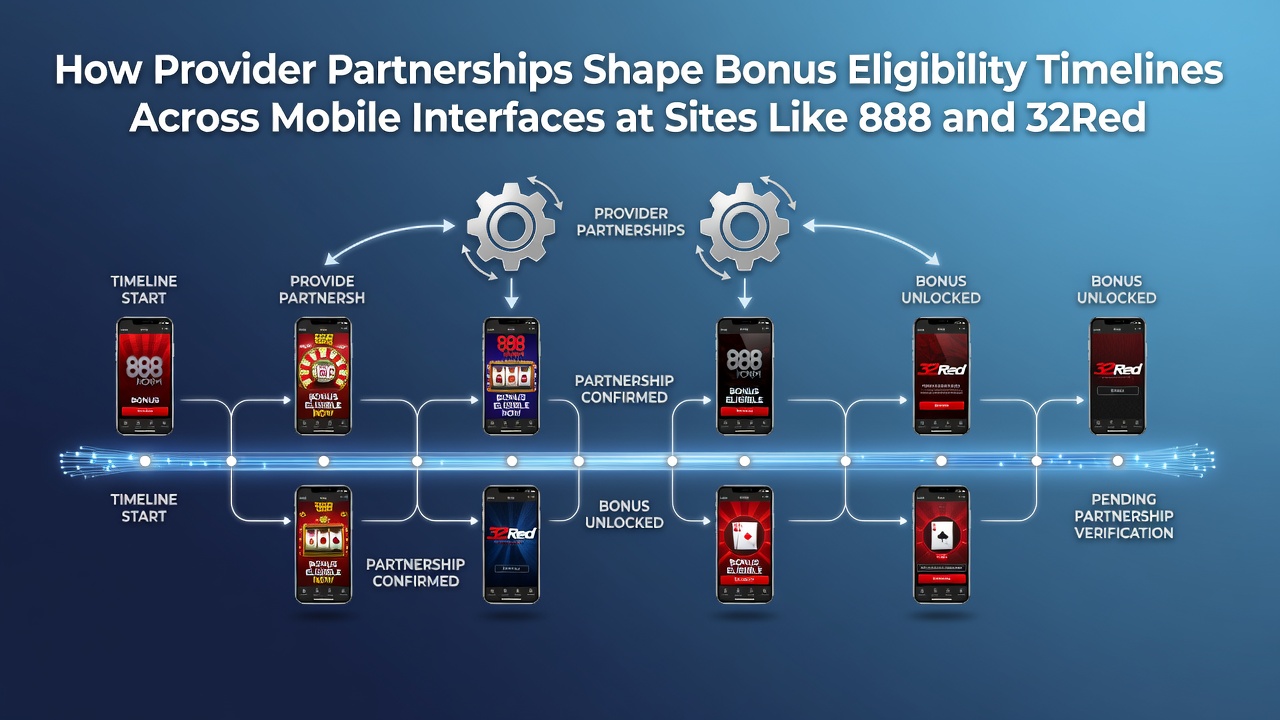
How Provider Partnerships Shape Bonus Eligibility Timelines Across Mobile Interfaces at Sites Like 888 and 32Red
Provider partnerships determine how quickly players gain access to bonus features on mobile apps at major operators, and these agreements directly influence the technical frameworks that track eligibility across devices. Game suppliers integrate their platforms through APIs that synchronize with casino systems, which affects when free spins or deposit matches become active during mobile sessions. Sites such as 888 and 32Red rely on multiple suppliers, so the speed of bonus activation often depends on how seamlessly those supplier systems communicate with the operator's mobile backend.
Technical Foundations of Partnership Agreements
Partnership contracts specify data-sharing protocols that govern real-time updates for bonus balances, and these protocols must function consistently whether a player uses iOS or Android interfaces. Suppliers like those providing slots and table games embed eligibility checks into their software modules, which means delays arise when an operator's mobile app version lags behind a supplier's latest release. Observers note that alignment between supplier roadmaps and operator update schedules sets the baseline for how fast new users qualify for promotional offers on portable screens.
Integration Challenges on Mobile Platforms
Mobile environments introduce variables such as operating system updates and network latency that desktop versions avoid, while supplier partnerships require operators to maintain separate compatibility layers for each device type. When a supplier rolls out a new game title, the associated bonus triggers must pass testing on both 888's and 32Red's mobile interfaces before eligibility timelines activate for users. Data compiled by the European Gaming and Betting Association shows that integration testing cycles average between four and six weeks when multiple suppliers are involved.
Those timelines stretch further if an operator maintains legacy code that conflicts with a supplier's current API version, and mobile users experience the longest waits because app store review processes add extra steps. Researchers at the University of Nevada, Las Vegas documented similar patterns in reports covering multi-supplier environments, where mobile bonus eligibility lagged behind desktop availability by an average of 18 days across sampled operators.
Bonus Tracking Mechanisms and Eligibility Windows
Eligibility windows begin once a player completes the required deposit or registration step, yet the actual crediting of bonuses hinges on supplier-side confirmation that the transaction cleared through the partnered payment rails. At 888, partnerships with certain slot providers allow instant free spin allocation on mobile after deposit verification, whereas other suppliers require a secondary sync that occurs during scheduled batch updates every six hours. 32Red applies comparable batch logic for table game bonuses, which means users who trigger offers near the end of a sync window wait longer before the mobile interface reflects the new balance.
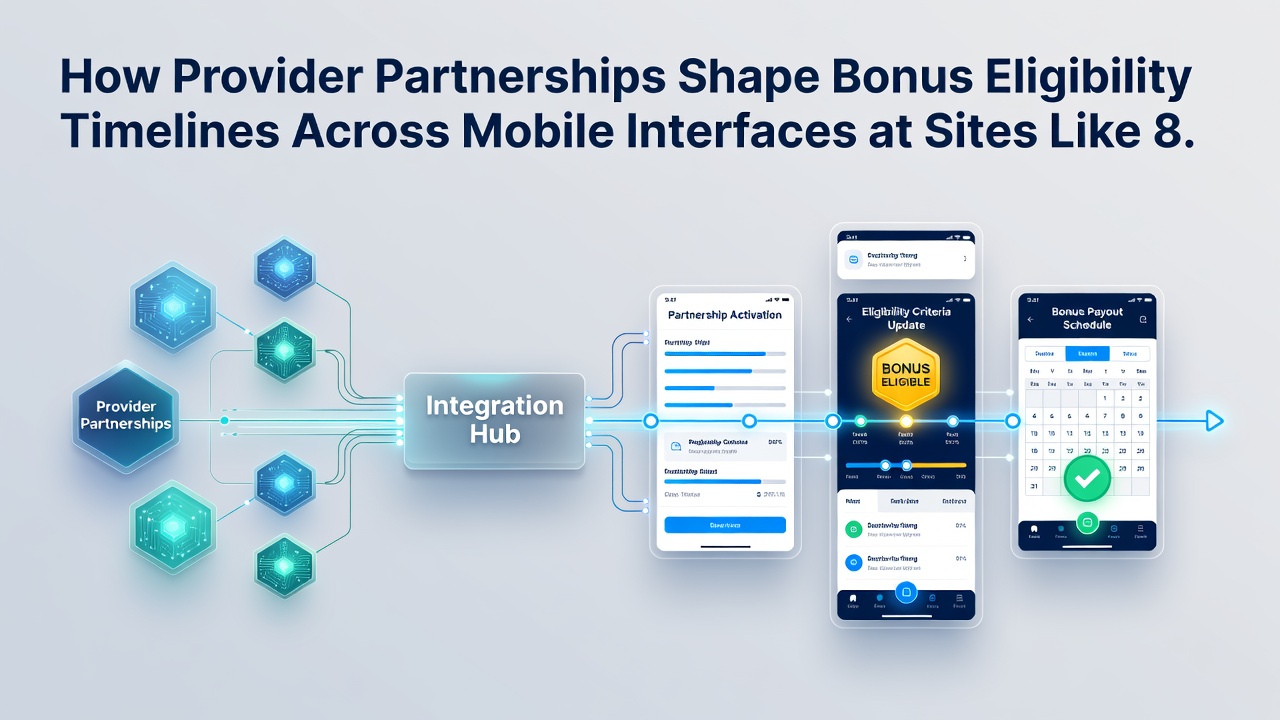
Operators publish these sync schedules in their terms because partnership agreements dictate how frequently data exchanges occur, and mobile interfaces display pending status messages until the next exchange completes. In October 2026 several suppliers introduced incremental API improvements that shortened batch intervals from six hours to two hours on select mobile titles, reducing average eligibility wait times at both 888 and 32Red for those specific games. The changes required operators to push updated app versions, and users who had not yet installed the patches continued to experience the older timelines.
Regional Regulatory Overlays on Partnership Structures
Regulatory bodies in different jurisdictions impose additional layers that shape how partnerships translate into mobile bonus timelines, and operators must adjust their supplier contracts to satisfy local reporting requirements. The New Jersey Division of Gaming Enforcement requires documented audit trails for every bonus credit issued through mobile channels, which extends the validation phase before eligibility activates. Similar requirements in Australian states compel operators to log supplier-level triggers separately, creating parallel data streams that mobile apps must reconcile before displaying updated balances.
Those compliance steps run in parallel with technical integrations, so the overall timeline from partnership signing to live mobile bonus availability lengthens when multiple regulatory frameworks apply. Operators that maintain separate mobile builds for different regions therefore coordinate supplier updates across staggered release windows rather than pushing uniform changes globally.
Conclusion
Provider partnerships establish the technical and procedural boundaries within which bonus eligibility timelines operate on mobile interfaces at sites like 888 and 32Red, and these boundaries shift whenever suppliers revise their APIs or operators adjust batch schedules. Mobile-specific factors such as app store approvals and device fragmentation add further variables that desktop platforms do not encounter. As suppliers continue to refine integration standards, operators update their mobile frameworks to match, which gradually alters the windows during which players can access promotional offers across different games and device types.